
How to Choose the Right University Degree for a Changing Job Market
Choosing a university degree has never been a simple decision, but today’s rapidly evolving job market makes it even more complex. With technology transforming industries and economic demands shifting faster than ever, students must think beyond traditional paths. Picking a degree that offers flexibility, relevance, and growth potential is key to building a resilient career. To succeed, it’s essential to weigh personal interests against emerging job trends and future workforce needs.
Understand Where the Job Market Is Heading
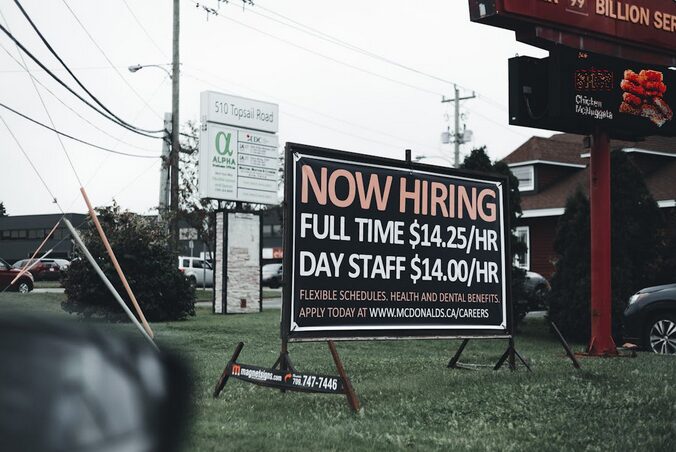
One of the most important steps in choosing a degree is understanding how the job market is evolving. Sectors such as healthcare, renewable energy, data science, cybersecurity, and artificial intelligence are expected to experience sustained growth in the coming years. Degrees related to STEM (science, technology, engineering, and math), as well as those focused on sustainability and public health, tend to offer more opportunities and adaptability. On the other hand, some roles are becoming obsolete due to automation and outsourcing, so it’s important to avoid locking yourself into a shrinking field.
Balance Passion With Practicality
While following your passion is often encouraged, …
Read More →